How to Clean Up After Foam Parties
Foam party cleanup challenges come from the way foam seeps into surfaces and clings to everything it touches, unlike confetti or drinks that mostly stay put. Large-scale foam generators can produce over 100 gallons of suds in a single hour, creating slippery floors and damp walls in minutes. Standard mops and vacuums are often not enough, so wet vacuums, industrial fans and protective gloves are considered essential. Without quick attention, soap residue can cause stains, while missed patches may lead to mildew in less than 24 hours.
Why foam leaves residue everywhere
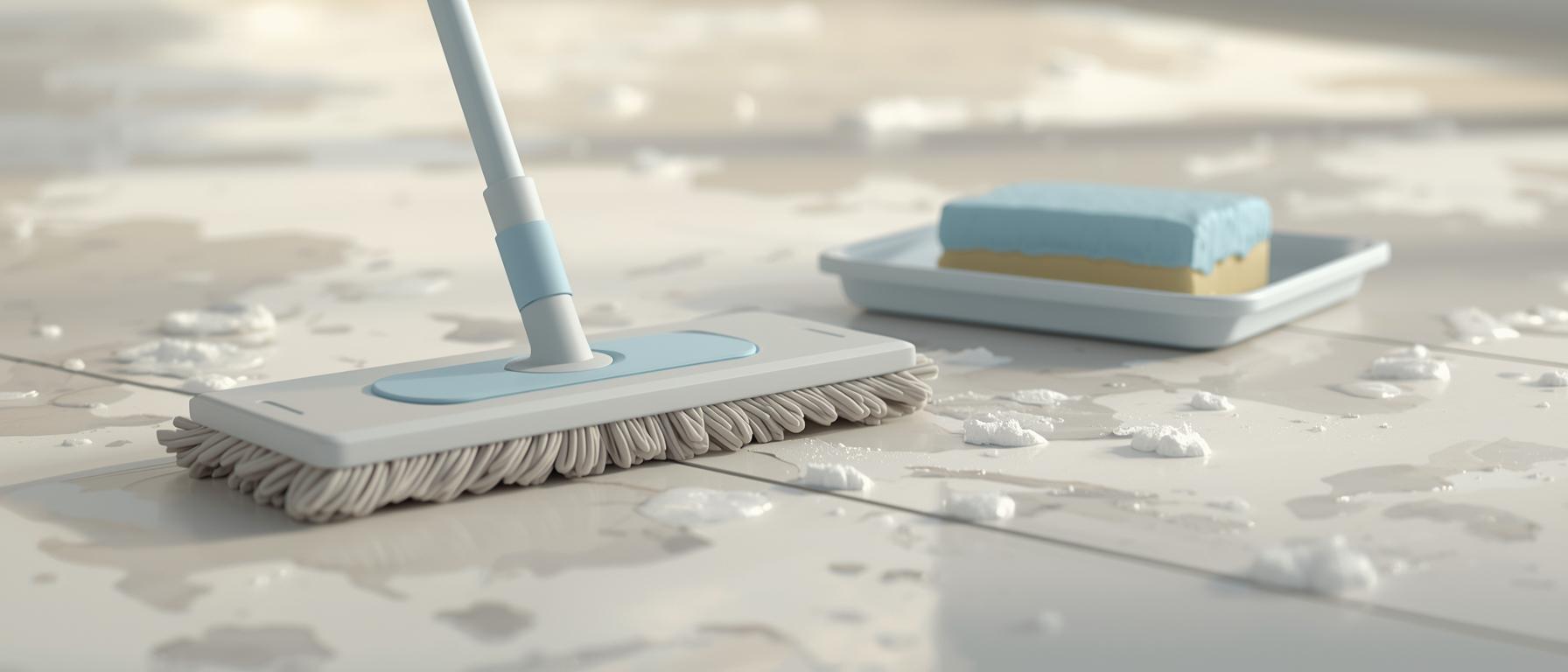
Wet foam from party machines spreads far beyond the dance floor, pushed by feet and air movement until it reaches walls, windowsills, and furniture. Unlike spilled drinks or confetti, the foam seeps into seams, under baseboards, and into ventilation grates, causing trouble hours after the music stops.
Synthetic surfactants inside foam solutions cling to textured floors and painted surfaces, leaving behind a film that stays slippery or sticky even after the bubbles pop.
A common mistake is assuming that simply letting foam dry will solve the problem; dried residue often bonds with dust and creates a stubborn, dull coating. Using only water to clean can actually smear the residue further, making it harder to remove later.
How to remove foam from different surfaces
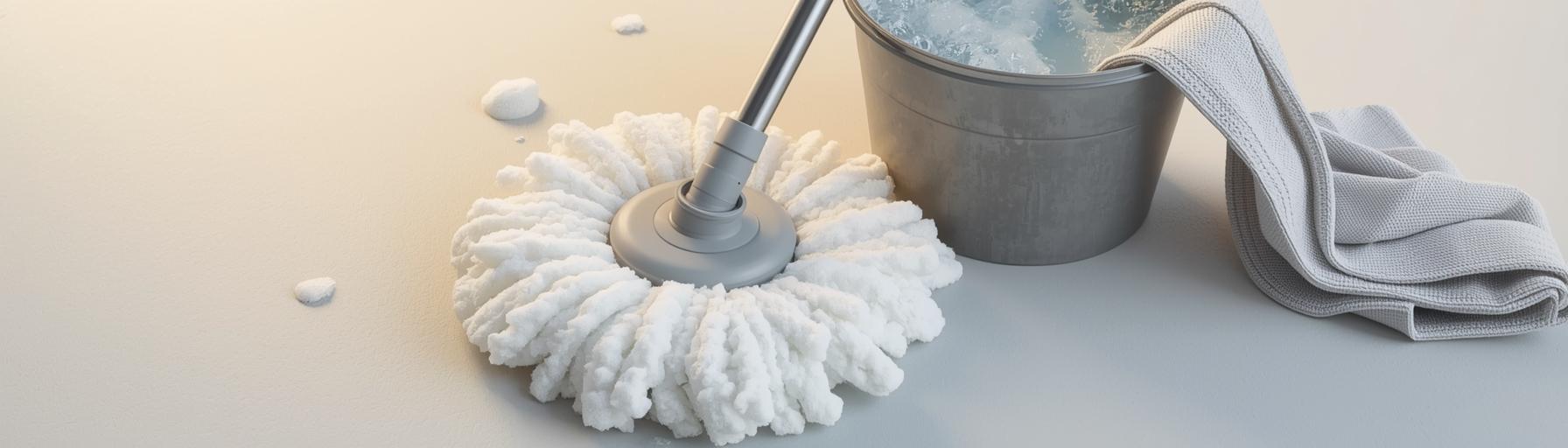
Foam residue behaves differently depending on the surface it lands on after a party. Tile and wood can become slippery while fabric often traps moisture and odor. Quick action prevents long term stains and makes cleanup simpler compared to letting foam dry and settle.
Cleaning foam from outdoor grass
Foam from party machines quickly clings to grass, especially after prolonged events or in shaded lawns. Quick removal prevents patches where foam chemicals slow regrowth or leave a slick film. Standard cleaning relies on common supplies found at most outdoor venues:
- Garden hose – steady water flow lifts foam from blades and soil
- Sprinkler system – wide, even coverage clears large party areas
- Buckets of water – practical for smaller lawns or targeted spots
- Push broom – breaks up stubborn residue before rinsing
- No chemicals – most party foam dissolves with water alone
Heavy foam buildup can persist in cooler weather or where grass is dense. Early rinsing with water alone prevents most long term effects and avoids damage from unnecessary cleaning products.
Wiping foam from indoor floors
Foam from party machines leaves behind a residue that turns smooth surfaces hazardous even after most bubbles pop. This risk increases when foam seeps into seams between floorboards or tiles, which trap moisture for hours longer than exposed surfaces.
Mop heads made of cotton or microfiber absorb diluted soap and water faster than synthetic sponges, but pressing too hard pushes moisture into cracks that later swell wood or lift laminate edges.
Immediate removal within the first 15 minutes prevents permanent swelling or discoloration, especially on untreated wood. Wipe with a tightly wrung mop in overlapping strokes, then ventilate the room to speed drying and avoid lingering slick spots.
Each surface responds best to a tailored cleaning method to avoid lingering residue or damage. Immediate removal with the right tools and materials reduces the risk of permanent marks or safety hazards.
What to do about lingering smells
Foam parties often leave a faint, sweet or musty odor that can linger for days if not addressed promptly. Moisture trapped in carpets, upholstery, or corners creates the ideal environment for smells to settle and intensify. Quick action can prevent the space from feeling stuffy or unpleasant after the event.
Quick fixes for fresh odors
Lingering foam party odors often collect in fabrics and corners, especially when synthetic fragrances mix with wet surfaces. Quick action prevents those smells from setting in and saves effort later.
White vinegar in a bowl absorbs musty foam odors overnight, while baking soda scattered on carpets works within an hour. A diluted solution of lemon juice can be sprayed directly onto surfaces where a slightly sour scent remains.
Opening windows for cross ventilation clears out trapped scents much faster than fans alone. Rubbing alcohol on a cloth removes stubborn residue from plastic chairs and tabletops, leaving no sticky trace.
Microfiber towels speed up the drying of soft furnishings, cutting down on lingering moisture smells. Scented dryer sheets tucked into sofa cushions help neutralize odors without extra cleaning steps.
Deep cleaning for stubborn odors
Synthetic foam fragrances can cling to upholstery and curtains long after the last bubbles clear, often becoming even more noticeable as dampness dries. Unlike light scents that fade on their own, odors from party foam tend to bond with plush fabrics or seep into deep carpet layers, making standard airing out ineffective.
Steam cleaning machines can reach trapped residues in thick textiles and padding that sprays and powders rarely touch.
While surface sprays mask scents for a few hours, extraction cleaning with hot water removes the compounds that cause lingering odors. Baking soda left overnight on a sofa or a mattress pad absorbs more than light sprays, especially if followed by a vacuum with a HEPA filter.
Persistent odors often signal that moisture remains hidden in fabrics or flooring. Deep cleaning and thorough drying reduce the risk of mold and keep the venue fresh for its next use.
How to prevent damage during cleanup
Foam often seeps into cracks or electrical outlets before anyone notices. Quick drying leaves behind residues that stain or corrode certain materials over time.
| Surface or Equipment | Vulnerable Element | Common Mistake | Lasting Effect |
|---|---|---|---|
| Laminate flooring | Seam edges | Leaving foam to soak | Warped or lifted boards |
| Outdoor speakers | Power connectors | Spraying water to rinse foam | Permanent short |
| Grass lawn | Roots and soil microbes | Using high-pH foam solution | Patchy yellowing |
| Painted concrete | Surface paint layer | Scrubbing with abrasive pads | Peeling or flaking paint |
| Smartphones | Charging port | Wiping foam inside opening | Corrosion or device failure |
Microfiber cloths remove foam from electronics without pushing moisture deeper. Neutral pH cleaners protect both plants and painted surfaces from hidden chemical reactions.